Steam
Store data
- UK price
- £9.09
- US price
- Awaiting regional check
- Positive reviews
- —
- Total reviews
- 0
- Release date
- 26 October 2026
SteamWatch’s first observed day and week; tracking can begin after release. Top Sellers is Steam’s revenue ranking, not a sales estimate.
1 player-data day recorded in this window.
3 player-data days recorded in this window.
24-hour and 7-day views use hourly peaks from ten-minute samples. Longer views use retained daily peaks. Up to 24 recent event markers are shown per layer.
| Month | Peak | Gain | % gain | Average | Avg % gain |
|---|---|---|---|---|---|
| Last 30 days | 1 | — | — | 0 | — |
| October 2026 | 1 | — | — | 0 | — |
| Region | Currency | Regular | Current | Discount | Historical low | Last change |
|---|---|---|---|---|---|---|
| United KingdomGBP · GB | — | — | Unavailable | — | — | No change recorded |
| United StatesUSD · US | — | — | Unavailable | — | — | No change recorded |
| Euro areaEUR · DE | — | — | Unavailable | — | — | No change recorded |
| United Arab EmiratesAED · AE | — | — | Unavailable | — | — | No change recorded |
| AustraliaAUD · AU | — | — | Unavailable | — | — | No change recorded |
| BrazilBRL · BR | — | — | Unavailable | — | — | No change recorded |
| CanadaCAD · CA | — | — | Unavailable | — | — | No change recorded |
| SwitzerlandCHF · CH | — | — | Unavailable | — | — | No change recorded |
| ChileCLP · CL | — | — | Unavailable | — | — | No change recorded |
| ChinaCNY · CN | — | — | Unavailable | — | — | No change recorded |
| ColombiaCOP · CO | — | — | Unavailable | — | — | No change recorded |
| Costa RicaCRC · CR | — | — | Unavailable | — | — | No change recorded |
| Hong KongHKD · HK | — | — | Unavailable | — | — | No change recorded |
| IndonesiaIDR · ID | — | — | Unavailable | — | — | No change recorded |
| IsraelILS · IL | — | — | Unavailable | — | — | No change recorded |
| IndiaINR · IN | — | — | Unavailable | — | — | No change recorded |
| JapanJPY · JP | — | — | Unavailable | — | — | No change recorded |
| South KoreaKRW · KR | — | — | Unavailable | — | — | No change recorded |
| KuwaitKWD · KW | — | — | Unavailable | — | — | No change recorded |
| KazakhstanKZT · KZ | — | — | Unavailable | — | — | No change recorded |
| MexicoMXN · MX | — | — | Unavailable | — | — | No change recorded |
| MalaysiaMYR · MY | — | — | Unavailable | — | — | No change recorded |
| NorwayNOK · NO | — | — | Unavailable | — | — | No change recorded |
| New ZealandNZD · NZ | — | — | Unavailable | — | — | No change recorded |
| PeruPEN · PE | — | — | Unavailable | — | — | No change recorded |
| PhilippinesPHP · PH | — | — | Unavailable | — | — | No change recorded |
| PolandPLN · PL | — | — | Unavailable | — | — | No change recorded |
| QatarQAR · QA | — | — | Unavailable | — | — | No change recorded |
| RussiaRUB · RU | — | — | Unavailable | — | — | No change recorded |
| Saudi ArabiaSAR · SA | — | — | Unavailable | — | — | No change recorded |
| SingaporeSGD · SG | — | — | Unavailable | — | — | No change recorded |
| ThailandTHB · TH | — | — | Unavailable | — | — | No change recorded |
| TaiwanTWD · TW | — | — | Unavailable | — | — | No change recorded |
| UkraineUAH · UA | — | — | Unavailable | — | — | No change recorded |
| UruguayUYU · UY | — | — | Unavailable | — | — | No change recorded |
| VietnamVND · VN | — | — | Unavailable | — | — | No change recorded |
| South AfricaZAR · ZA | — | — | Unavailable | — | — | No change recorded |
| CIS (regional USD)USD_CIS · AM | — | — | Unavailable | — | — | No change recorded |
| Latin America (regional USD)USD_LATAM · AR | — | — | Unavailable | — | — | No change recorded |
| Middle East & North Africa (regional USD)USD_MENA · EG | — | — | Unavailable | — | — | No change recorded |
| South Asia (regional USD)USD_SASIA · PK | — | — | Unavailable | — | — | No change recorded |
Recent views use Steam's daily review activity. Longer views use weekly totals, retained by SteamWatch.
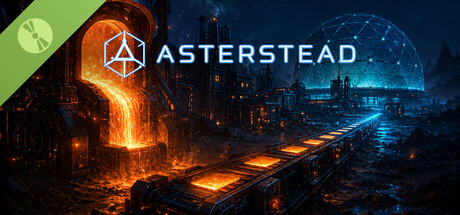
An unmanned construction system has been deployed to a distant planet.
Its mission is simple:
Build a settlement capable of supporting human life before the colony ship arrives.
Mine raw materials, manufacture structural components, purify water, generate oxygen, process CO2 and wastewater, and establish supply links with remote sectors.
But a base that merely functions is not enough.
Power demand will rise. Machines will overheat. Defective products will appear. Logistics will stall. Life-support loads will fluctuate. External connections will become unstable.
Design a base with enough capacity, redundancy, and resilience to keep running under pressure.
Place facilities on a grid and connect them with conveyor belts to create functioning production chains.
As the campaign progresses, your base will grow from a simple material-processing site into a fully integrated settlement network.
Mine ore and produce structural plates
Manufacture insulation and habitat panels
Inspect finished products and remove defects
Purify ice into clean water
Generate oxygen through electrolysis
Process CO2 and wastewater
Import dense ore from remote sectors
Coordinate every system through settlement control
Success depends on more than raw production speed.
You must balance power, heat, throughput, storage, quality, and supply margins across the entire base.
Each phase introduces a series of certifications that test whether your base is truly ready to advance.
During certification, the simulation applies predefined stresses such as:
Increased power demand
Higher residential consumption
Link instability
CO2 spikes
Import delays
Sustained full-system load
These events are deterministic rather than random.
When something fails, you can identify the cause, redesign the layout, expand capacity, and try again with a better plan.
Certifications can be paused or accelerated, allowing you to inspect problems carefully or fast-forward once the base is stable.
Every machine consumes power, and some facilities generate heat while operating.
Expand too aggressively and the grid may collapse. Neglect cooling and production equipment may shut down. Ignore quality control and defective products may enter the supply chain.
A base built at its absolute limit may work under normal conditions, but it will not survive certification.
Plan for spare capacity. Add cooling. Build backup power. Use buffers. Create redundant production lines.
ASTERSTEAD is not only about manufacturing.
The base must also support human life.
Mine ice, purify it into clean water, split water into oxygen, and supply habitat modules. Process the CO2 and wastewater they produce to keep the system stable.
Every major system contributes to settlement readiness.
In the final phase, the overall score is determined by the weakest part of the base.
One failing system can hold everything back.
Survey remote sectors and establish links to off-site resources.
Different sectors offer different levels of risk and efficiency.
Safer sectors provide stable supply. Higher-risk sectors offer greater output but place more stress on the link network.
Use import ports, buffers, remote miners, and link stabilizers to create a reliable external supply chain.
Each phase ends with a long-form integrated certification called a Grand Run .
Grand Runs combine the systems introduced so far and test whether your base can remain stable over an extended period.
The final Grand Run is the ultimate settlement inspection.
When production, life support, logistics, power, and external supply all meet the required standard, the base will finally be cleared to receive its first colonists.
Sandbox Mode unlocks every facility and decoration from the beginning.
Construction is free, and additional tools let you modify or disable selected simulation systems.
Use it to:
Build large-scale bases
Test production layouts
Trigger stress events manually
Load sample bases
Adjust resources and system rules
Create decorative layouts
Hide the HUD for screenshots
The simulation remains fully active by default, so power, heat, quality, logistics, and life support still behave normally unless you choose to disable them.
Top-down automation and base-building gameplay
A single persistent base that expands throughout the campaign
Production chains built from mining, transport, processing, inspection, and storage
Power shortages, heat buildup, defective products, and logistics congestion
Clean water, oxygen, CO2, and wastewater life-support systems
Remote sector exploration and resource imports
Deterministic, repeatable stress tests instead of random disasters
Pause and fast-forward controls during certifications
Multi-phase progression culminating in the Grand Run
A fully featured Sandbox Mode
Decorative facilities and floor markings with no gameplay effect
No combat and no reflex-based gameplay
A focus on planning, diagnosis, optimization, and long-term stability
1 concurrent players — the highest daily peak recorded at that point.
Release date supplied by the Steam store.