Steam
Store data
- Store status
- Coming soon
- Scheduled release
- 10 November 2026
- Positive reviews
- —
- Total reviews
- —
- Release date
- 10 November 2026
24-hour and 7-day views use hourly peaks from ten-minute samples. Longer views use retained daily peaks. Up to 24 recent event markers are shown per layer.
Recent views use Steam's daily review activity. Longer views use weekly totals, retained by SteamWatch.
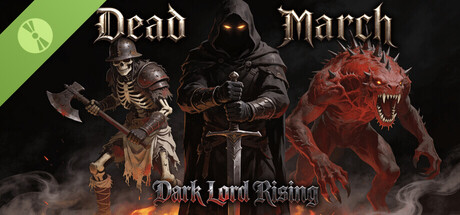
A strategy roguelite with real-time tactical battles. Your goal is to destroy the capital of the human kingdom. You begin with only a handful of minions—just enough to raid villages. Gather resources and increase your Dark Power by razing settlements. Build a formidable army, learn new abilities, and prepare for the final assault.
Every battle matters. You have only one chance to conquer each settlement. If you fail, it will be granted divine protection and become forever beyond your reach.
There are three ways to expand your army. You can use bones to create minions and skeletal warriors. By spending your Dark Power, you can recruit creatures from Hell. You can also summon wild beasts to serve you. Your units grow stronger by gaining experience in battle, so it is wise to keep them alive.
Battles are fought in real time. At the start of the game, you can issue only a single general attack order. By spending your Dark Power, you can unlock new command abilities, giving you greater control over your army. Later on, you will be able to organize your forces into multiple hordes, allowing them to fight with greater coordination and efficiency. Satan will judge your performance as a commander, and your rewards will reflect the effectiveness of your leadership.
You begin your campaign at the edge of the map, and your ultimate goal is to reach the capital at the heart of the kingdom. There are many possible routes to your destination, but if an attack on a settlement is repelled, the road through it will be permanently blocked. Along the way, you will encounter camps, villages, towns, forts, and monasteries. Each type of settlement is defended by different kinds of troops and yields different loot when razed.
The game features three resources: Dark Power, Bones, and Iron. You gain Dark Power by destroying settlements and killing enemies. Spend it to unlock new abilities, learn powerful spells, and upgrade your forces. Bones collected from the dead can be used to create minions and skeletal warriors. Iron is acquired by plundering settlements and salvaging the weapons and armor of fallen soldiers. Use it to forge stronger arms and armor for your army.
The game features dozens of abilities to unlock. These include battlefield commands, powerful combat spells, creature summoning, and permanent unit upgrades. Spend your Dark Power to unlock them and gain access to new powers.
Hi all,The demo has been updated! We added several new units, spells, and mechanics, along with improvements to the user interface and pop-up information.Patrols and smaller military units now appear in settlements to help the defenders.The creatures of Hell strike fear into their enemies with every attack, potentially causing them to flee.Spiders can ensnare fleeing enemies in their webs.Bone Hounds can now be created. As they level up, they can evolve into Bone Beasts and eventually Bone Demons.Bears deal double damage against Dogs, Wardogs, and Warbeasts.Summoned creatures can now be upgraded by learning new abilities or gaining levels.Killing enemies increases your chance of landing a critical hit.New abilities have been added that improve the combat abilities of your own units or weaken those of your enemies.
Read full update on Steam ↗Steam currently lists 10 Nov 2026 as the release date.
Hi all,The demo has been updated! We added several new units, spells, and mechanics, along with improvements to the user interface and pop-up information.Patrols and smaller military units now appear in settlements to…